
Aquatic Plants Care Guide
Creating Thriving Underwater Gardens
About Aquatic Plants
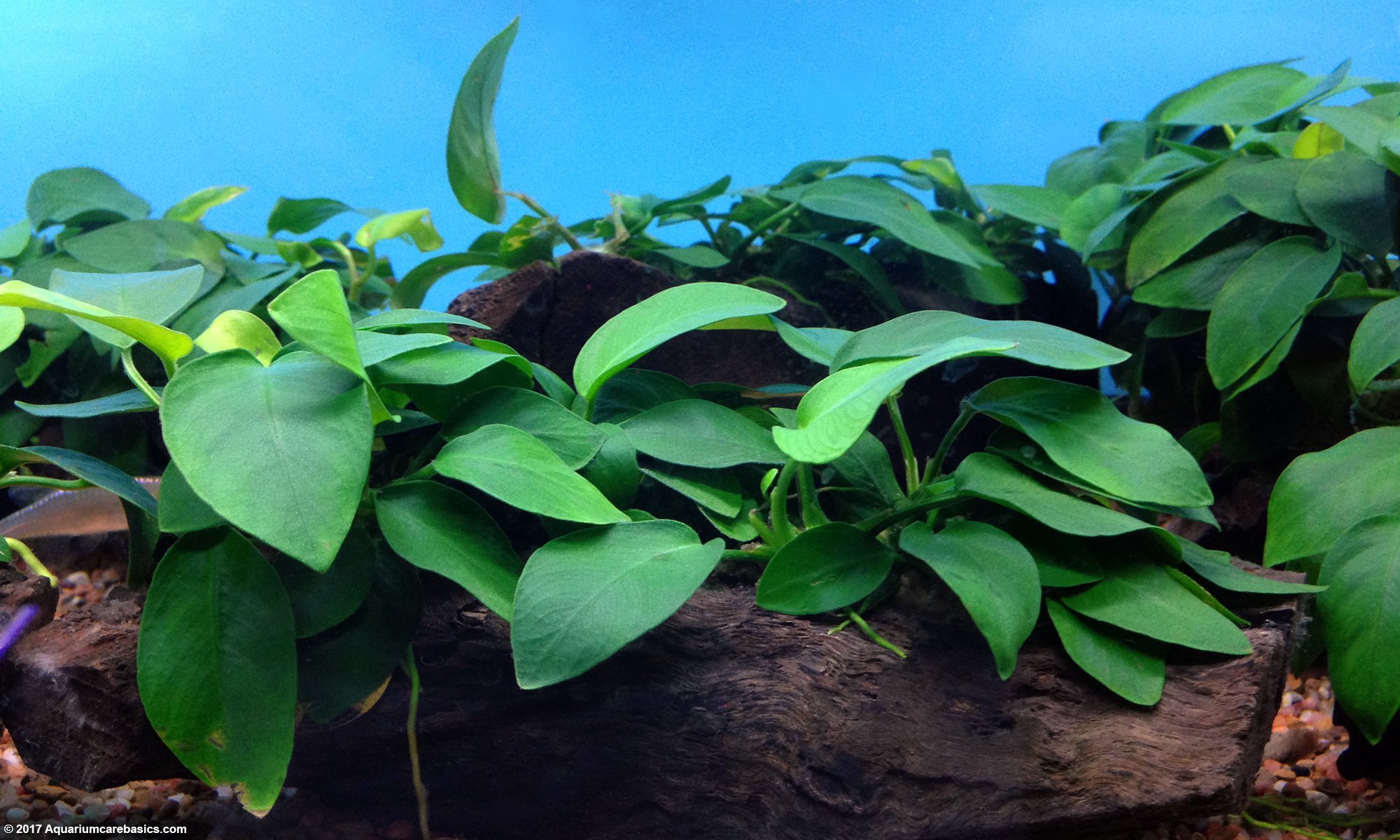
Anubias barteri displaying characteristic thick, leathery leaves and robust growth in aquarium setting
Aquatic plants, also known as hydrophytes or macrophytes, are plants that have adapted to living in aquatic environments. They play crucial roles in aquatic ecosystems by producing oxygen, providing shelter for aquatic life, consuming nutrients that would otherwise feed algae, and creating beautiful underwater landscapes.
Whether you're creating a freshwater aquarium, maintaining a pond, or cultivating aquatic gardens, understanding the needs of aquatic plants is essential. These plants range from fully submerged species to floating plants and marginal plants that grow at water's edge. Each type has unique requirements and offers different aesthetic and functional benefits to aquatic environments.
Types of Aquatic Plants
Submerged Plants: Grow entirely underwater. Examples: Anacharis, Hornwort, Cabomba. Excellent oxygenators and nutrient consumers.
Floating Plants: Float on water surface, roots dangle below. Examples: Water Lettuce, Duckweed, Water Hyacinth. Provide shade and reduce algae.
Emergent Plants: Roots submerged, leaves and stems above water. Examples: Cattails, Pickerelweed, Arrowhead. Great for pond edges.
Marginal Plants: Grow in shallow water or saturated soil at water's edge. Examples: Iris, Rushes, Sedges. Transition between water and land.
Deep Water Plants: Rooted on bottom with floating leaves. Examples: Water Lilies, Lotus. Iconic pond plants with showy flowers.
Light Requirements
Low Light Plants (1-2 watts per gallon): Ideal for beginners and low-tech setups. Examples: Java Fern, Anubias, Cryptocoryne, Java Moss.
Medium Light Plants (2-3 watts per gallon): Offer more variety and color. Examples: Amazon Sword, Bacopa, Ludwigia, Dwarf Sagittaria.
High Light Plants (3-5+ watts per gallon): Require bright lighting and CO₂ supplementation. Examples: Dwarf Baby Tears, Rotala, Hygrophila pinnatifida.
Light Duration: 8-10 hours daily for most aquatic plants. Consistent photoperiod prevents algae and promotes healthy growth.
Light Spectrum: Full-spectrum lights (6500-8000K) mimic natural sunlight and promote photosynthesis and vibrant colors.
LED vs. Fluorescent: LED lights are energy-efficient, long-lasting, and provide precise spectrum control. Fluorescent lights are economical for low to medium light plants.
Outdoor Ponds: Natural sunlight is ideal. Most pond plants need 6-8 hours of direct sunlight; some tolerate partial shade.
Water Parameters
Temperature: Most tropical aquatic plants thrive in 72-82°F (22-28°C). Temperate pond plants tolerate wider ranges.
pH Levels: Most aquatic plants prefer slightly acidic to neutral water (pH 6.5-7.5). Some adapt to alkaline conditions.
Water Hardness: Soft to moderately hard water (4-12 dGH) suits most species. Very hard water can inhibit nutrient absorption.
Ammonia/Nitrite: Should always be 0 ppm. Toxic to fish and can stress plants.
Nitrate: 5-20 ppm is ideal. Plants use nitrate as fertilizer; excess promotes algae.
Water Movement: Most plants prefer gentle flow. Strong currents can damage delicate leaves and inhibit rooting.
Water Changes: Regular changes (20-30% weekly) replenish minerals, remove excess nutrients, and maintain water quality.
Substrate & Planting

Vallisneria displaying characteristic ribbon-like leaves in freshwater aquarium environment
Aquarium Substrate: Use nutrient-rich aquarium soil, clay substrate, or gravel with root tabs for rooted plants.
Depth: 2-3 inches of substrate for most plants; 3-4 inches for heavy root feeders like Amazon Swords.
Pond Substrate: Heavy clay soil topped with pea gravel prevents soil from clouding water. Aquatic plant-specific soil also available.
Planting Rooted Plants: Create hole in substrate, insert roots, and cover with substrate. Leave crown (where roots meet stem) exposed.
Epiphytic Plants: Anubias, Java Fern, and Bolbitis should not be buried. Attach to rocks or driftwood with fishing line or super glue.
Rhizome Plants: Keep rhizome (horizontal stem) above substrate to prevent rot. Only roots should be buried.
Carpet Plants: Plant small portions 1-2 inches apart. They'll spread to create dense carpets over time.
Floating Plants: Simply place on water surface. They'll multiply quickly in good conditions.
Fertilization
Why Fertilize: Aquatic environments often lack essential nutrients. Supplementation ensures healthy, vibrant growth.
Macro Nutrients: Nitrogen (N), Phosphorus (P), and Potassium (K) are primary nutrients. NPK fertilizers address these needs.
Micro Nutrients: Iron, manganese, boron, zinc, and others. Essential for chlorophyll production and enzyme function.
Liquid Fertilizers: Added to water column, absorbed by leaves. Ideal for floating and column-feeding plants. Dose 1-2 times weekly.
Root Tabs: Pressed into substrate near plant roots. Release nutrients slowly. Replace every 3-6 months.
Iron Supplementation: Many plants show iron deficiency (yellow leaves with green veins). Supplement with chelated iron.
CO₂ Supplementation: Dissolved carbon dioxide enhances photosynthesis. Essential for high-light setups and demanding plants.
DIY CO₂: Yeast-sugar fermentation or chemical reaction methods. Professional systems use pressurized cylinders with regulators.
Natural CO₂: Fish respiration and organic decomposition produce CO₂. Usually sufficient for low-tech, low-light setups.
Maintenance & Pruning
Weekly Maintenance: Remove dead leaves, trim overgrown plants, replant floating stems, check for algae.
Trimming Stem Plants: Cut stems at desired height, replant tops, and discard lower portions or compost.
Thinning Dense Growth: Remove excess plants to maintain proper spacing and light penetration.
Removing Algae: Gently brush off algae from leaves. Improve lighting schedule, reduce nutrients, add algae-eating fish or invertebrates.
Trimming Runners: Many plants spread via runners. Cut runners to control spread or transplant to new locations.
Removing Melting Leaves: New plants often lose emersed-grown leaves. Remove melting leaves; new submerged leaves will grow.
Tools: Aquarium scissors, tweezers, plant weights, and algae scrapers make maintenance easier.
Cleaning: Gently remove debris from leaves with turkey baster or wave hand to create current.
Propagation
Stem Cutting: Cut healthy stems, remove lower leaves, plant 1-2 inches into substrate. Most stem plants root within 1-2 weeks.
Division: Separate clusters of rosette plants (Swords, Crypts) by cutting apart at roots. Replant divisions.
Runners: Plants like Vallisneria and Dwarf Sagittaria send out runners with baby plants. Cut and transplant when established.
Adventitious Plants: Some plants (like Java Fern) produce tiny plants on leaves. Remove and attach to new locations when developed.
Floating Plant Propagation: Most floating plants multiply rapidly on their own. Regularly remove excess to prevent overcrowding.
Seeds: Some pond plants produce seeds. Collect and sow in shallow water or moist soil depending on species.
Common Problems & Solutions
Yellow Leaves: Often indicates nitrogen or iron deficiency. Increase fertilization, especially iron supplements.
Brown/Black Leaves: May indicate potassium deficiency, poor water circulation, or dying old leaves. Check parameters and fertilization.
Holes in Leaves: Potassium or magnesium deficiency. Supplement with complete fertilizer containing trace elements.
Stunted Growth: Insufficient light, CO₂, or nutrients. Assess and improve lighting, consider CO₂ supplementation, increase fertilization.
Algae on Plants: Excess nutrients or light. Reduce feeding, shorten photoperiod, increase water changes, add algae eaters.
Plants Floating Up: Not enough roots or substrate too coarse. Use plant weights or deepen planting until roots establish.
Melting Plants: Transition stress from new environment. Remove dead leaves, maintain good conditions; healthy growth will resume.
Snails on Plants: Often hitchhike on new plants. Quarantine new plants, dip in potassium permanganate solution, or manually remove.
Pro Tips for Success
- Start with easy, hardy plants like Java Fern, Anubias, and Amazon Sword
- Quarantine new plants for 1-2 weeks to prevent introducing pests, snails, or algae
- Plant heavily from the start—more plants mean less algae as they compete for nutrients
- Use a timer for consistent lighting schedule; irregular photoperiods promote algae
- Trim regularly to maintain shape and encourage bushier, healthier growth
- Fast-growing stem plants are excellent natural filters and algae preventers
- Research each plant's specific needs before purchasing—not all plants are compatible
- Observe your plants daily—they'll tell you if something is wrong through color and growth changes
- Water lilies need large containers (15+ gallon) and full sun to bloom properly
- Floating plants provide natural shade and reduce algae but can block light to submerged plants if too dense
- Many aquatic plants are invasive in natural waterways—never release aquarium or pond plants into wild
- Patience is key—planted aquariums take 3-6 months to fully establish and balance
Beginner-Friendly Aquatic Plants
Java Fern (Microsorum pteropus)
Type: Epiphytic, rhizome plant
Difficulty: Very Easy
Light: Low to moderate
Special Notes: Attach to wood/rock, don't bury rhizome, very hardy
Anubias (Anubias barteri)
Type: Epiphytic, rhizome plant
Difficulty: Very Easy
Light: Low to moderate
Special Notes: Slow-growing, tough leaves, tolerates various conditions
Amazon Sword (Echinodorus species)
Type: Rosette, rooted plant
Difficulty: Easy
Light: Moderate
Special Notes: Heavy root feeder, use root tabs, dramatic centerpiece
Java Moss (Taxiphyllum barbieri)
Type: Moss, can attach or float
Difficulty: Very Easy
Light: Low to high
Special Notes: Versatile, great for shrimp, fast-growing
Hornwort (Ceratophyllum demersum)
Type: Floating or planted stem
Difficulty: Very Easy
Light: Moderate to high
Special Notes: Excellent oxygenator, rapid growth, natural filter
Water Sprite (Ceratopteris thalictroides)
Type: Can float or root
Difficulty: Easy
Light: Moderate
Special Notes: Fast-growing, lacy leaves, reduces algae