
Herb Garden Care Guide
Growing Fresh Herbs Indoors & Outdoors
About Growing Herbs
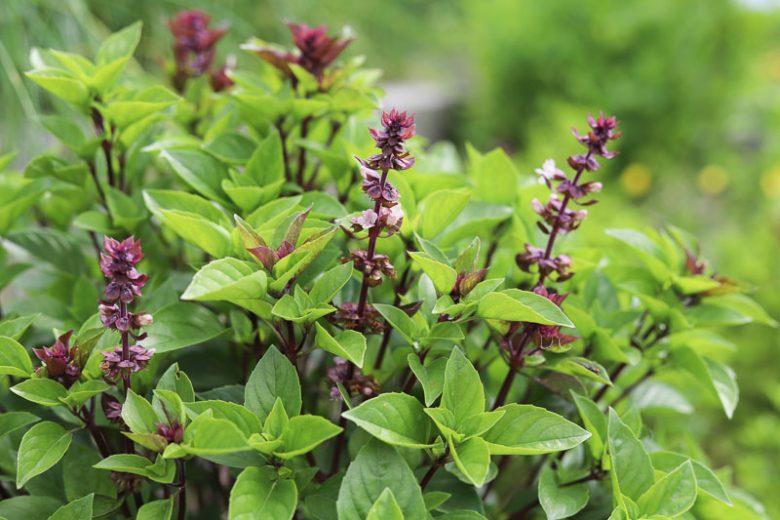
Ocimum basilicum var. thyrsiflora (Thai basil) displaying characteristic purple flower spikes and aromatic foliage
Herbs are among the most rewarding plants to grow, offering fresh flavors for cooking, pleasant aromas, and medicinal benefits. Whether you're growing lavender for relaxation, basil for pesto, catnip for your feline friends, or eucalyptus for its refreshing scent, herbs are relatively easy to cultivate both indoors and outdoors.
Most culinary herbs originated in the Mediterranean region and prefer sunny, well-drained conditions. Growing herbs from starter kits or seeds is an excellent way to begin your journey into gardening while enjoying fresh, aromatic foliage year-round.
Light Requirements
General Rule: Most herbs need 6-8 hours of direct sunlight daily for optimal growth.
Indoor Placement: South or southwest-facing windows are ideal. Supplement with grow lights if natural light is insufficient.
Outdoor Placement: Full sun locations work best for most herbs. Some afternoon shade is beneficial in very hot climates.
Basil: Thrives in full sun (6-8 hours daily). Insufficient light causes leggy, weak growth.
Lavender: Needs full sun to develop strong fragrance and abundant blooms. Tolerates partial shade but won't bloom as prolifically.
Catnip: Prefers full sun but tolerates partial shade. More shade results in less potent foliage.
Eucalyptus: Requires bright, direct light. Can tolerate some partial sun but grows best in full sun.
Signs of Insufficient Light: Leggy growth, pale leaves, reduced aroma, and poor flavor.
Watering Guide
General Principle: Most herbs prefer soil that's moist but not waterlogged. Allow the top inch of soil to dry between waterings.
Mediterranean Herbs (Lavender, Rosemary, Oregano): Drought-tolerant once established. Water when soil is dry 1-2 inches down. Overwatering is the most common cause of death.
Basil: Prefers consistently moist soil but not soggy. Water when top inch feels dry. Wilts dramatically when thirsty but recovers quickly.
Catnip: Moderate water needs. Let soil dry slightly between waterings. More drought-tolerant than basil.
Eucalyptus: Needs regular watering while establishing. Once mature, quite drought-tolerant. Prefers deep, infrequent watering.
Watering Method: Water at the base of plants, not on foliage, to prevent fungal diseases. Water until it drains from bottom holes.
Morning vs. Evening: Morning watering is best, allowing excess moisture to evaporate during the day.
Signs of Overwatering: Yellow leaves, wilting despite moist soil, moldy soil surface, root rot.
Signs of Underwatering: Drooping, crispy leaves, slow growth, browning leaf edges.
Soil & Containers
Soil Type: Well-draining potting mix is essential. Herbs hate "wet feet."
DIY Herb Mix: 60% quality potting soil + 30% perlite or coarse sand + 10% compost.
For Mediterranean Herbs: Add extra drainage material; they prefer leaner, sandier soil.
pH Level: Most herbs prefer slightly acidic to neutral soil (pH 6.0-7.0). Lavender tolerates slightly alkaline conditions.
Container Size: Minimum 6-8 inches deep for most herbs. Lavender and eucalyptus need larger pots (12+ inches).
Drainage: Pots must have drainage holes. Use a layer of pebbles at bottom if needed, though proper potting mix is more important.
Material: Terracotta pots are excellent for herbs as they're porous and help prevent overwatering.
Temperature & Environment
Ideal Temperature: 60-70°F (15-21°C) for most herbs, though they tolerate wider ranges.
Basil: Heat-loving; thrives in 70-85°F (21-29°C). Very sensitive to cold; damaged below 50°F (10°C).
Lavender: Hardy perennial, tolerates cold to 20°F (-6°C) once established. Prefers cooler nights.
Catnip: Hardy perennial, tolerates cold well. Can survive temperatures down to -30°F (-34°C) with proper mulching.
Eucalyptus: Varies by species. Many tolerate brief frosts but prefer mild climates. Keep indoor plants above 50°F (10°C).
Humidity: Most herbs prefer moderate humidity (40-50%). Basil appreciates slightly higher humidity.
Air Circulation: Good airflow prevents fungal diseases and promotes strong stem development.
Fertilizing
Less is More: Herbs generally don't need heavy fertilization. Over-fertilizing reduces flavor and aroma.
Frequency: Feed every 4-6 weeks during growing season with diluted fertilizer.
Fertilizer Type: Use balanced liquid fertilizer (10-10-10) at half strength, or fish emulsion for organic option.
For Flowering Herbs (Lavender): Higher phosphorus fertilizer (5-10-5) encourages blooming.
For Leafy Herbs (Basil, Catnip): Slightly higher nitrogen promotes lush foliage growth.
Organic Options: Compost tea, worm castings, or diluted fish emulsion every 2-3 weeks.
Winter Care: Reduce or stop fertilizing when growth slows in fall and winter.
Harvesting & Pruning

Rosmarinus officinalis 'Huntington Carpet' (Creeping Rosemary) displaying needle-like aromatic leaves in landscape setting
When to Start: Wait until plants are established with several sets of leaves before first harvest.
How Much to Harvest: Never take more than 1/3 of the plant at once. This allows continued healthy growth.
Harvesting Technique: Cut just above a leaf node (where leaves meet stem) to encourage branching.
Best Time of Day: Morning after dew dries but before heat of day. Essential oils are most concentrated then.
Basil: Pinch off top sets of leaves regularly to prevent flowering and encourage bushy growth. Remove flower buds to extend harvest.
Lavender: Harvest flowers just as they open. Cut stems back to first set of leaves below flowers.
Catnip: Cut stems back by half when flowering begins. Can harvest 2-3 times per season.
Eucalyptus: Prune in spring to control size and encourage bushier growth. Can harvest leaves year-round once established.
Drying Herbs: Tie stems in small bundles and hang upside down in warm, dry, dark place for 1-2 weeks.
Starting from Seeds vs. Starter Kits
Starter Kits: Convenient, pre-measured systems with everything needed. Great for beginners. Follow kit-specific instructions.
Seed Starting Basics: Sow seeds in moist seed-starting mix. Keep warm (70-75°F) until germination.
Germination Times: Basil 5-10 days, Catnip 7-10 days, Lavender 14-21 days (needs cold stratification), Eucalyptus 14-21 days.
Thinning Seedlings: Once seedlings have 2-3 true leaves, thin to strongest plants. Space according to mature size.
Transplanting: Move to larger containers when seedlings have 4-6 true leaves and strong root systems.
Hardening Off: Gradually acclimate indoor seedlings to outdoor conditions over 7-10 days before transplanting outside.
Common Problems & Solutions
Powdery Mildew: White powdery coating on leaves. Caused by poor air circulation and high humidity. Improve airflow, reduce humidity, treat with neem oil.
Aphids: Small green or black insects on new growth. Spray with water, use insecticidal soap, or introduce beneficial insects.
Spider Mites: Tiny pests causing stippled, yellowing leaves. Increase humidity, spray with water, use neem oil.
Basil Turning Black: Cold damage or fungal disease. Keep above 50°F, ensure good drainage and air circulation.
Lavender Not Blooming: Insufficient light, over-watering, or too much nitrogen. Increase sun, reduce water, use low-nitrogen fertilizer.
Leggy Growth: Not enough light. Move to brighter location or add grow lights.
Yellowing Lower Leaves: Normal aging or nitrogen deficiency if widespread. Light fertilization usually resolves.
Pro Tips for Success
- Most herbs are pest-repelling—basil deters mosquitoes, lavender repels moths, and catnip is more effective than DEET at repelling certain insects
- Regular harvesting encourages bushier, more productive plants
- Herbs grown in slightly stressful conditions (less water, leaner soil) develop more intense flavors
- Group herbs with similar water needs together for easier care
- Morning watering prevents fungal diseases that thrive in cool, moist evening conditions
- Pinch off flowers on basil to extend the harvest season and maintain leaf flavor
- Lavender doesn't like wet winters—protect outdoor plants from excessive rain
- Catnip can be invasive outdoors; consider growing in containers
- Fresh eucalyptus branches in the shower create a spa-like aromatic experience
- Freeze herb leaves in ice cube trays with olive oil for easy cooking portions
- Most herbs intensify in flavor just before flowering—ideal harvest time
- Companion plant basil with tomatoes to improve tomato flavor and repel pests
Specific Care Highlights
Basil (Ocimum basilicum)
Type: Annual herb
Light: Full sun (6-8 hours)
Water: Keep consistently moist
Special Care: Pinch flowers, protect from cold
Harvest: Pick regularly for continuous production
Lavender (Lavandula)
Type: Perennial herb
Light: Full sun (6-8 hours minimum)
Water: Drought-tolerant, water sparingly
Special Care: Excellent drainage essential, prune after flowering
Harvest: Cut just as flowers open for strongest scent
Catnip (Nepeta cataria)
Type: Perennial herb
Light: Full sun to partial shade
Water: Moderate, let dry between waterings
Special Care: Can be invasive, contains nepetalactone (attracts cats)
Harvest: Cut back by half when flowering
Eucalyptus (Eucalyptus species)
Type: Perennial tree/shrub (keep pruned indoors)
Light: Full sun, very bright
Water: Regular when young, drought-tolerant when mature
Special Care: Fast-growing, needs regular pruning indoors
Harvest: Aromatic leaves year-round once established