
Tropical Houseplants Care Guide
Monstera, Hoya & Other Tropical Beauties
About Tropical Houseplants
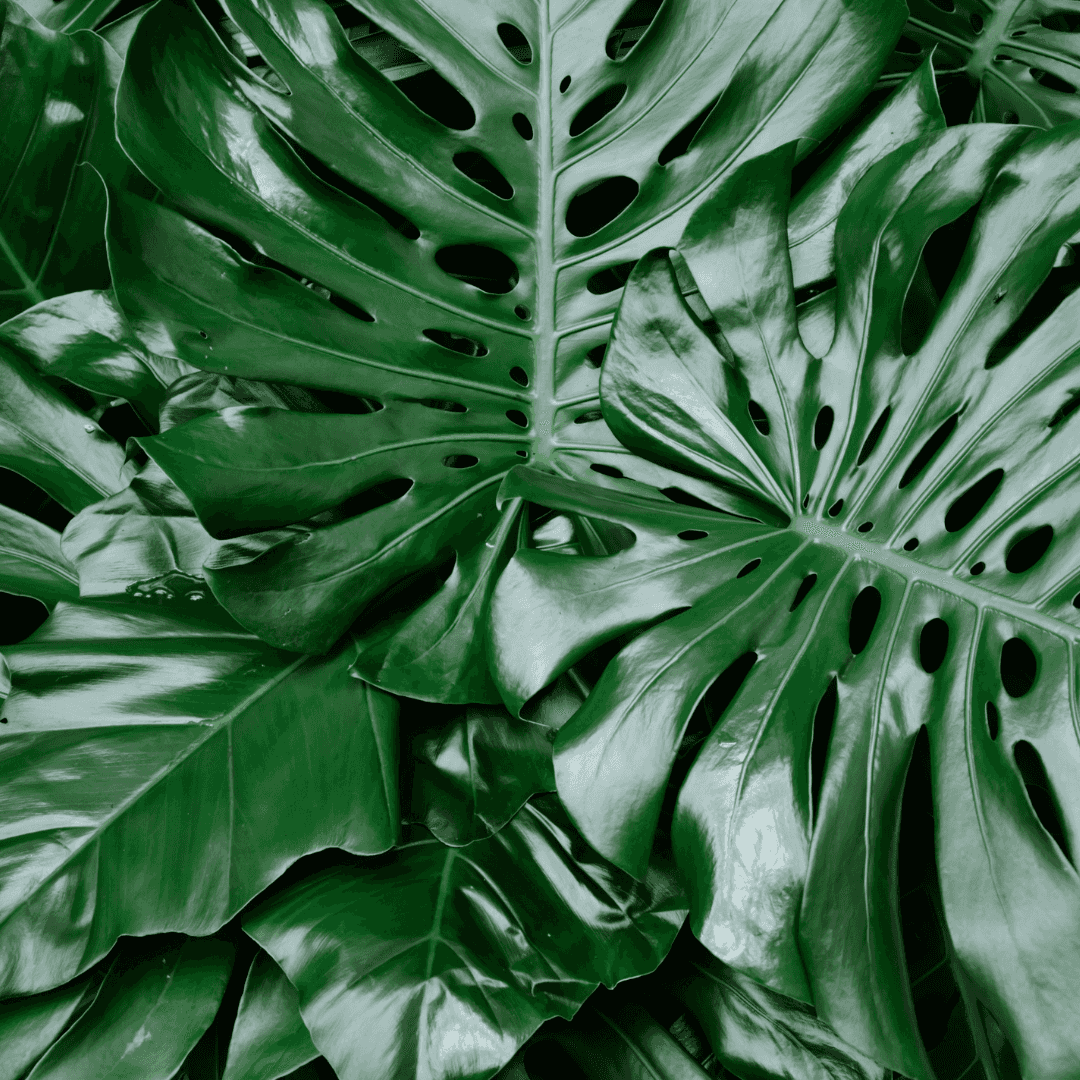
Monstera deliciosa displaying lush foliage with characteristic fenestrations
Tropical houseplants, including the beloved Monstera and Hoya genera, are native to the warm, humid forests of Central and South America, Southeast Asia, and Australia. These plants have adapted to life in the forest understory, where they receive filtered light through the canopy above.
Monstera species, part of the Araceae family, are known for their iconic fenestrated (split or perforated) leaves. The fenestrations are thought to help the plant withstand heavy rain and wind while maximizing light capture in their native habitat.
Hoya plants, members of the Apocynaceae family, are semi-succulent vining plants prized for their waxy leaves and clusters of fragrant, star-shaped flowers. With over 200 species, they offer incredible diversity in leaf shape, size, and texture.
Light Requirements
Ideal Conditions: Bright, indirect light is perfect for most tropical houseplants. Think dappled sunlight through a tree canopy.
Monstera Light: Tolerates medium to bright indirect light. Can handle some morning sun but avoid hot afternoon rays.
Hoya Light: Prefers bright indirect light for best growth and flowering. Some species tolerate lower light but may not bloom.
Window Placement: East-facing windows provide gentle morning sun. North windows offer steady, indirect light. Filter south or west windows with sheer curtains.
Signs of Too Little Light: Slow growth, small new leaves, long spaces between leaves (leggy growth), no fenestrations on Monstera.
Signs of Too Much Light: Yellowing leaves, brown crispy patches (sunburn), faded leaf coloration.
Pro Tip: Rotate plants regularly to ensure even growth on all sides.
Watering Guide
General Rule: Water when the top 1-2 inches of soil feel dry to the touch.
Monstera Watering: Prefers evenly moist soil during growing season. Allow top 2 inches to dry between waterings. Water less in winter.
Hoya Watering: Being semi-succulent, Hoyas prefer to dry out more between waterings. Let top half of soil dry before watering again.
How to Water: Water thoroughly until it drains from bottom holes. Empty saucer after 15 minutes to prevent root rot.
Water Quality: Room temperature filtered or distilled water is ideal. Let tap water sit overnight to dissipate chlorine.
Signs of Underwatering: Drooping leaves, dry leaf edges, crispy brown tips, leaves falling off.
Signs of Overwatering: Yellow leaves, black or brown mushy stems, soil that stays soggy, foul odor from pot.
Seasonal Adjustments: Reduce watering frequency in fall and winter when growth slows.
Humidity & Temperature
Humidity Needs: These tropical plants thrive in 50-70% humidity, though most adapt to average home humidity (40-50%).
Increasing Humidity: Use a humidifier, group plants together, place on pebble trays with water, or keep in naturally humid rooms like bathrooms.
Misting: Provides temporary humidity boost but isn't a replacement for consistent humidity. Can help clean leaves.
Temperature Range: Ideal temperatures are 65-85°F (18-29°C). Most tolerate brief drops to 55°F (13°C).
Avoid: Keep away from drafty windows, heating vents, and air conditioning units which cause temperature fluctuations and dry air.
Signs of Low Humidity: Brown, crispy leaf edges; leaf tips turning brown; buds dropping before opening.
Soil & Potting
Soil Type: Well-draining, chunky soil that retains some moisture but doesn't stay soggy.
DIY Mix for Monstera: 40% potting soil, 30% orchid bark, 20% perlite, 10% worm castings.
DIY Mix for Hoya: 50% potting soil, 30% perlite or pumice, 20% orchid bark (more drainage than Monstera).
Container Requirements: Pots must have drainage holes. Size should be 1-2 inches larger than root ball.
Repotting Frequency: Every 1-2 years or when roots grow through drainage holes and circle the pot.
Best Time to Repot: Spring or early summer during active growth period.
Note on Hoyas: They prefer being slightly root-bound and often bloom better in snug pots.
Support & Training
Monstera Support: These climbers benefit from a moss pole, wooden stake, or trellis. Secure stems gently with plant ties.
Why Support Matters: In nature, Monsteras climb trees. Vertical growth encourages larger, more fenestrated leaves.
Aerial Roots: Don't remove them! They help the plant climb and absorb moisture. Guide them toward moss poles or let them be.
Hoya Training: Can be trained to climb, trail, or drape. Many prefer trailing from hanging baskets or climbing on trellises.
Pruning: Trim just above a node to encourage bushier growth. Propagate cuttings!
Fertilizing
Growing Season: Fertilize monthly from spring through early fall when plants are actively growing.
Dormant Season: Reduce or stop fertilizing in winter when growth slows.
Fertilizer Type: Use balanced liquid fertilizer (20-20-20 or similar) diluted to half strength.
For Hoyas: Some growers recommend higher phosphorus during blooming season to encourage flowers.
Application Method: Apply to moist soil, never dry soil, to prevent root burn.
Signs of Over-fertilization: Brown leaf tips, white crust on soil surface, stunted growth, leaf burn.
Propagation
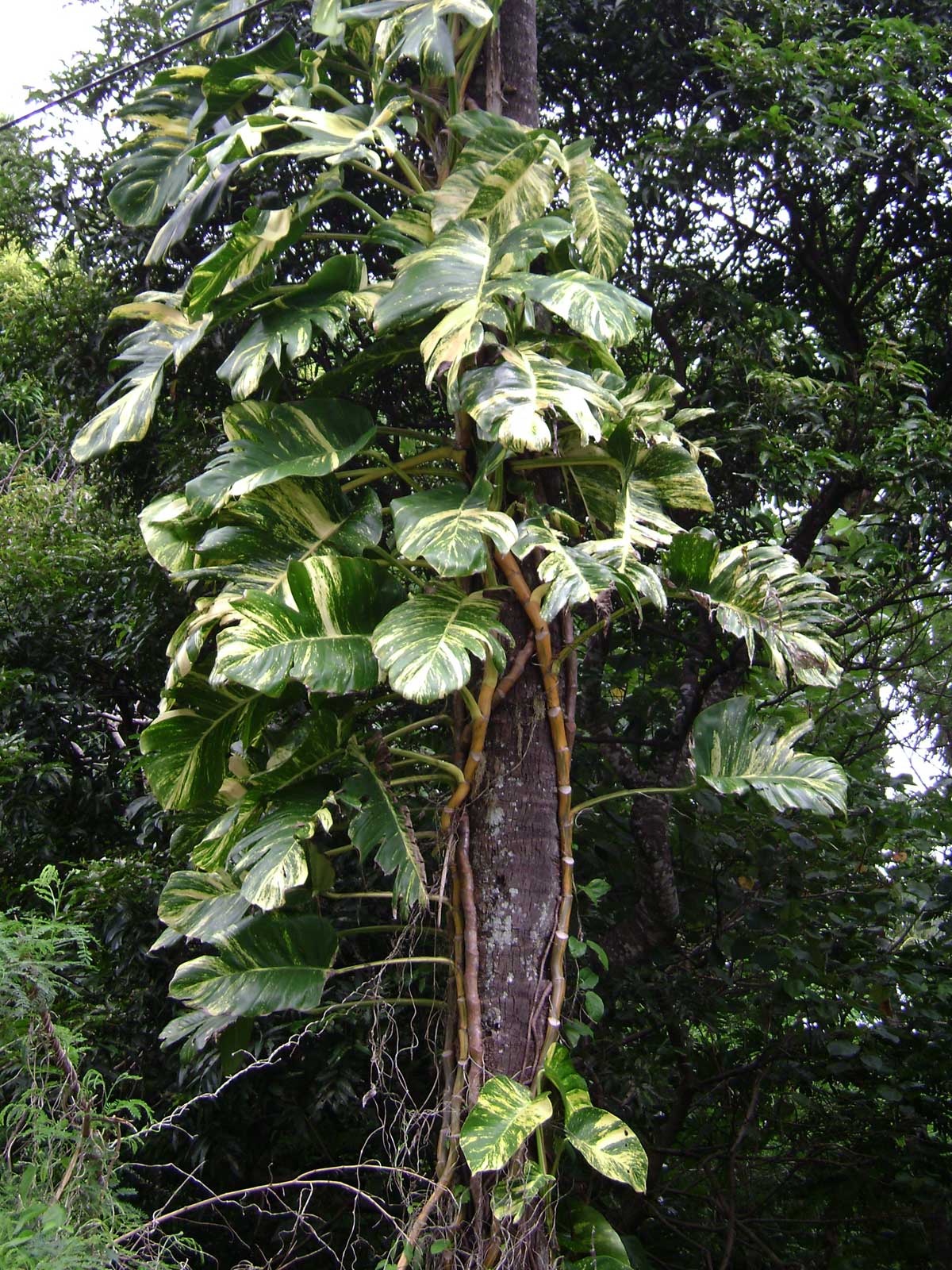
Epipremnum pinnatum displaying characteristic heart-shaped leaves and climbing growth habit
Best Method: Stem cuttings root easily in water or soil.
Taking Cuttings: Cut just below a node (the bump where leaves emerge). Include at least one node and one or two leaves.
Water Propagation: Place cutting in water, changing water weekly. Roots typically appear in 2-4 weeks. Plant when roots are 2-3 inches long.
Soil Propagation: Dip cut end in rooting hormone (optional), plant in moist soil, keep humidity high with a clear bag or dome.
Air Layering: Advanced technique great for large Monsteras. Encourages roots to grow on stems before cutting.
Best Timing: Spring and summer when plants are actively growing.
Hoya Flowers: Never remove peduncles (flower stalks) after blooming—Hoyas bloom from the same peduncle year after year!
Common Problems & Solutions
Yellow Leaves: Usually overwatering or poor drainage. Check soil moisture and drainage holes. Can also indicate natural aging of lower leaves.
Brown Tips: Low humidity, fluoride/chlorine in water, or salt buildup from fertilizer. Increase humidity and use filtered water.
No Fenestrations (Monstera): Insufficient light or plant too young. Increase light exposure; fenestrations develop with maturity.
Hoya Not Blooming: Insufficient light, too young, or disturbed during bud formation. Provide bright light, avoid moving plant when budding.
Pests: Watch for spider mites (webbing, stippled leaves), mealybugs (white cottony masses), and scale (brown bumps). Treat with insecticidal soap or neem oil.
Root Rot: Overwatering plus poor drainage. Remove affected roots, repot in fresh soil, adjust watering schedule.
Dropping Buds (Hoya): Caused by moving the plant, environmental stress, or inconsistent watering. Keep conditions stable during budding.
Pro Tips for Success
- Monstera deliciosa is toxic to pets; keep away from curious cats and dogs
- Clean leaves monthly with a damp cloth to remove dust and improve photosynthesis
- Variegated varieties (like Thai Constellation) need more light than all-green varieties
- Hoya flowers can be intensely fragrant at night—some smell like chocolate, others like honey
- Don't wipe off the silvery coating on some Hoya leaves—it's natural and helps them photosynthesize
- Patience with Hoyas—some take 2-3 years to mature enough to bloom
- Larger Monstera leaves indicate a happy plant; small leaves suggest inadequate light or nutrients
- Group multiple plants together to create a micro-climate with higher humidity
- Consider using filtered water for variegated varieties as they're more sensitive to water quality
- Fenestrations on Monstera develop based on light, maturity, and genetics—some varieties naturally have more than others